Plans and Scope
Drawings, photos, sketches, finish schedules, demolition limits, and the condition required at turnover.
Southern California Contractor Resource
Answers to common questions about demolition, asbestos abatement, lead, mold, hazardous materials, permits, scheduling, contracts, and project documentation in Southern California.

Before Pricing
Clear documents help us identify scope, risks, assumptions, exclusions, third-party responsibilities, and schedule dependencies before a project is priced.
Drawings, photos, sketches, finish schedules, demolition limits, and the condition required at turnover.
Asbestos, lead, mold, hazardous-material, soil, engineering, or other consultant documents that relate to the work.
Address, access, occupancy, utilities, work hours, staging, parking, haul routes, neighboring operations, and security limits.
Bid forms, insurance, bonding, labor compliance, schedule milestones, submittals, waste records, and closeout documents.
Project Paths
Start with photos, the property address, desired work, known reports, and your schedule. We will identify what else is needed before pricing can be confirmed.
Send lease areas, access limits, occupancy conditions, work-hour restrictions, plans, surveys, and turnover requirements.
Provide bid documents, addenda, scopes, alternates, labor requirements, milestone dates, insurance requirements, and closeout expectations.
Include specifications, bid forms, DIR and prevailing-wage requirements, bonding, phasing, access, and required project documentation.
FAQ Library
Search the full FAQ library or jump directly to the topic that matches your project.
7 categories
33 FAQs available.
No matching FAQs. Try a broader search term or call (949) 446-0000.
Getting Started
Use these answers before requesting pricing or scheduling a site walk.
Send the project address, requested scope, plans, specifications, surveys, consultant or laboratory reports, photographs, quantities, occupancy and access conditions, desired schedule, bid forms, and insurance, bonding, or labor requirements. A site walk helps confirm visible conditions, but it does not replace required surveys, testing, or engineering.
Some projects can be budgeted from a complete document package, but many demolition and environmental scopes need a site walk to confirm access, quantities, protection, utilities, staging, work hours, hauling, and retained improvements. If reports or plans are incomplete, we will identify what is missing before issuing a firm proposal.
No. SoCal Removal is a demolition and environmental contractor. Independent qualified consultants, laboratories, industrial hygienists, engineers, inspectors, and agencies perform their respective testing, analysis, design, monitoring, clearance, inspections, and approvals when required. We use those documents to define our contractor field scope.
Yes. Abajian Enterprise dba SoCal Removal operates under California CSLB License #980451 with A, B and C-21 classifications and HAZ and ASB certifications (ASB for bidding only). Project-specific certificates, endorsements, bonds, registrations, and qualification documents should be reviewed before award and remain subject to the actual project requirements.
Our primary service area is Southern California, including Orange County, Los Angeles County, Riverside County, San Bernardino County, and surrounding areas. We can pursue suitable projects elsewhere in California when the scope, schedule, staffing, equipment, and logistics support statewide mobilization.
Demolition
Project pricing depends on structure, materials, utilities, access, equipment, hauling, disposal, and turnover requirements.
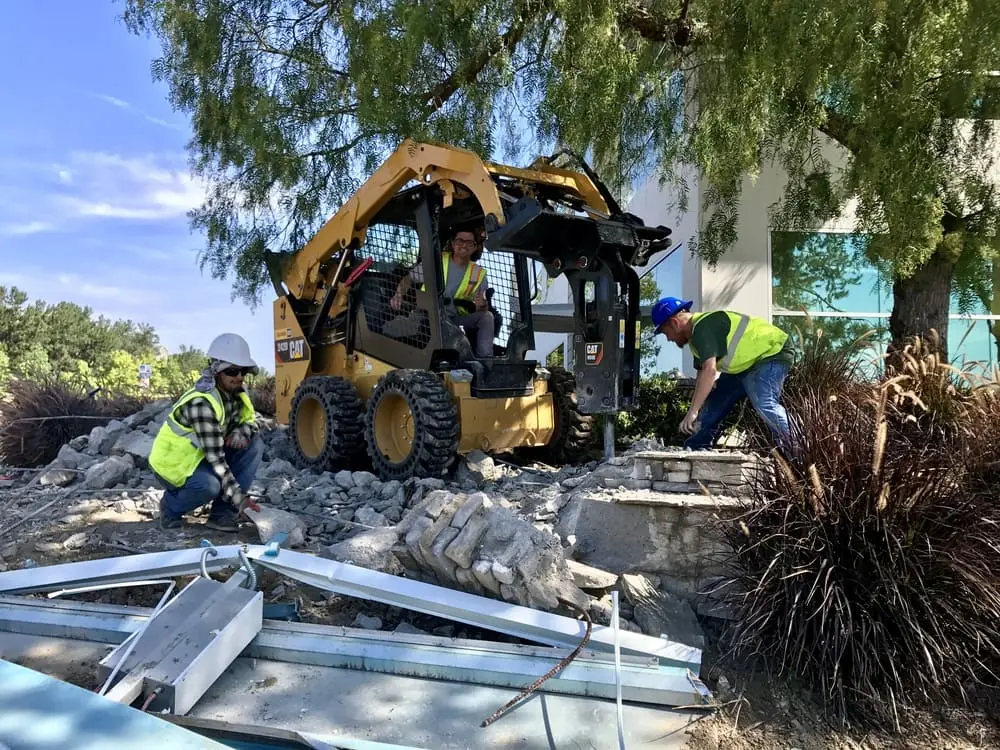
SoCal Removal performs structural demolition, selective demolition, interior and exterior demolition, concrete and asphalt removal, dismantling, decommissioning, site clearing, debris handling, recycling, and related contractor field work. Each proposal defines the exact included work, exclusions, disposal responsibilities, and turnover condition.
Structural demolition commonly requires a city or county permit. Selective interior work may or may not require a permit depending on the jurisdiction, occupancy, structural impact, utilities, and regulated materials. The responsible party for permits, agency submittals, and required releases should be stated in the proposal or contract.
Utility status must be addressed before demolition begins. Gas, electric, water, sewer, fire protection, communications, and other utilities may need shutoff, verification, lockout, capping, abandonment, or utility-provider release. Requirements depend on the scope, building, permit conditions, and project documents.
Demolition should not disturb suspect materials until required surveys and project prerequisites are resolved. If documentation is incomplete, the affected work may need to wait for independent evaluation, agency direction, revised scope, or written clarification before pricing and scheduling can be confirmed.
The proposal should identify handling, loading, hauling, recycling, disposal facilities, weight tickets, diversion reports, and any special packaging or profiling requirements. Facility acceptance, contamination, haul distance, working hours, local rules, and market conditions can affect routing, cost, and schedule.
Asbestos Abatement
Asbestos-related scope should be based on written surveys, identified materials, quantities, site conditions, and assigned third-party responsibilities.
Building age and appearance do not prove whether a material contains asbestos. The owner should obtain any required asbestos survey from an appropriately qualified independent professional before suspect materials are disturbed. The written survey should identify sampled materials, locations, quantities, laboratory results, and recommendations.
No. SoCal Removal does not act as the independent asbestos consultant, testing laboratory, or clearance provider. We review available survey documents and use them to define the contractor removal scope, access needs, containment approach, waste handling, schedule, and required documentation.
A survey may be required before renovation or demolition work that could disturb suspect materials. Requirements depend on the property, affected materials, jurisdiction, agency rules, and project type. Demolition frequently has broader survey requirements than limited renovation work, so the scope of the survey matters.
The process may include document review, work-area isolation, containment, negative air controls, wet methods, trained personnel, regulated waste packaging, transportation and disposal documentation, cleaning, and independent clearance or release when required. The final method depends on the survey, material type, quantity, condition, access, and project requirements.
An independent qualified consultant retained or approved by the owner should define and perform any required clearance, final visual inspection, sampling, or release. SoCal Removal can arrange access and scheduling but does not control or guarantee third-party findings or agency decisions.
Lead, Mold, and Hazardous Materials
These scopes require clear material identification, assigned responsibilities, and documented waste handling.
SoCal Removal can evaluate contractor scope involving lead-containing painted components when the work, documentation, controls, waste handling, and clearance responsibilities are properly defined. Independent testing, risk assessment, monitoring, and clearance remain separate professional services when required.
SoCal Removal can perform defined mold remediation and controlled demolition of affected building materials. A qualified independent party may be needed to assess the moisture source, define the protocol, perform verification, or confirm clearance depending on the property and project requirements.
Yes. Missing surveys, lab results, agency notifications, consultant protocols, utility releases, waste profiling, facility acceptance, transportation requirements, and clearance results can all affect start dates and sequencing. Those dependencies should be identified before committing to a demolition schedule.
Waste may require characterization, profiling, packaging, labeling, generator signatures, authorized transporters, approved facilities, manifests, shipping papers, weight tickets, photographs, and closeout records. The contract should assign who is responsible for each step and for any owner or generator certifications.
Permits and Compliance
Permits, notifications, inspections, and agency reviews depend on the exact project and should be assigned in writing.
Requirements depend on the jurisdiction, project type, structural scope, materials, occupancy, waste stream, and available documentation. The owner may need building permits, asbestos or regulated-material surveys, utility releases, agency notifications, disposal approvals, or consultant documentation before affected work proceeds.
Responsibility must be assigned in the proposal or contract. Depending on the requirement, a filing may need to be prepared or signed by the owner, consultant, operator, performing contractor, or another authorized party. SoCal Removal can arrange assigned contractor documentation, but agency acceptance is controlled by the responsible agency.
No. Cities, agencies, consultants, laboratories, engineers, and inspectors control their own reviews and decisions. Schedule allowances may be based on typical processing periods, but approval dates, inspection outcomes, and independent clearance results are not guaranteed.
SoCal Removal does not perform independent environmental testing, laboratory analysis, engineering, final clearance, or regulatory agency approval. When required, those services are performed by qualified independent professionals. We perform the contractor field scope defined in our proposal or agreement.
Scheduling and Logistics
Access, occupancy, work hours, utilities, documents, and agency windows drive the actual schedule.
Simple work may be scheduled quickly when scope, access, labor, and disposal are clear. Regulated-material projects, structural demolition, public works, occupied facilities, utility disconnects, permits, and agency notifications usually require more lead time. Send the documents early so we can identify schedule dependencies before they become delays.
Sometimes. Feasibility depends on access, security, noise, dust, utilities, building operations, labor requirements, jurisdictional work-hour limits, consultant availability, and hauling or disposal facility schedules. The work-hour plan should be defined before pricing.
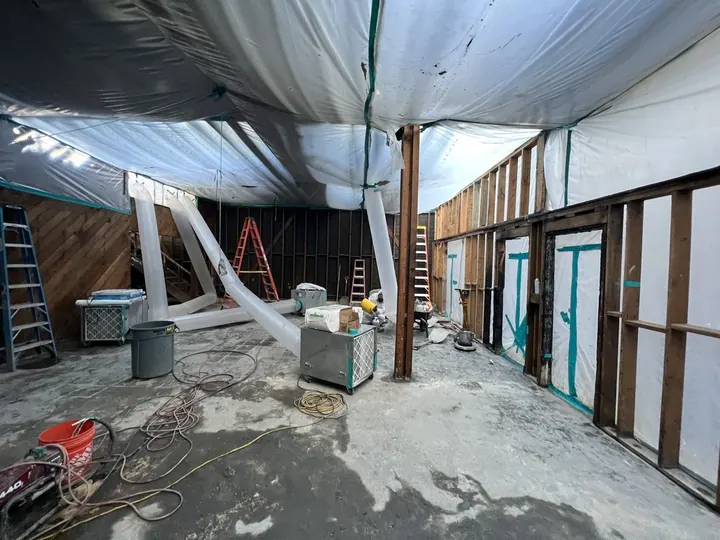
Planning may include barriers, containments, dust controls, floor and finish protection, signage, haul-route planning, equipment limits, negative air controls, utility planning, communication protocols, and phased access. Required controls depend on the materials, occupancy, retained finishes, and project documents.
Common delays include missing surveys, incomplete plans, permit processing, utility disconnects, consultant findings, revised notifications, concealed conditions, waste profile approval, facility rejection, access restrictions, tenant planning, labor compliance, weather, and owner-directed changes. Delays should be documented and addressed through the contract process.
Communication depends on the project, but updates may include calls, emails, site meetings, daily reports, photographs, tickets, manifests, submittals, and closeout documents. For larger projects, the communication plan should identify contacts, reporting frequency, approval points, and response times.
Contracts and Payment
Residential, commercial, insurance, and public projects may have different contract and documentation requirements.
For California residential property with four units or fewer, home improvement work generally requires a written contract with required consumer disclosures, scope, pricing, payment schedule, permit responsibility, start and completion timing, change-order procedures, and cancellation notices when applicable.
For California home improvement work, the down payment generally cannot exceed $1,000 or 10 percent of the contract price, whichever is less. Progress payments should correspond to work performed or materials delivered and should be stated clearly in the contract.
Yes. Added, deleted, or changed work should be documented in a written change order that describes the change, price adjustment, schedule impact, and authorization before the changed work proceeds. This protects scope clarity, payment rights, and project records.
Lien releases can be provided as appropriate with progress or final payments. The required form depends on the payment status, project type, contract terms, and whether conditional or unconditional releases are appropriate at that stage.
Project-specific insurance certificates and endorsements can be reviewed during contracting. Coverage, additional insured language, waivers, primary and noncontributory wording, pollution coverage, auto, workers compensation, and umbrella requirements should be supplied before pricing so requirements can be evaluated.
Start a Conversation
Send the available plans, surveys, reports, photos, schedule requirements, and jobsite address. We will review the contractor scope, identify missing information, and recommend the next practical step.
2026 prices: All 2026 cost guides
This site is protected by reCAPTCHA.