Demolition limits
Provide plans, marked-up drawings, alternates, retained improvements, and the required turnover condition.
Demolition planning depends on defined work limits, regulated-material information, utility status, access, protection, hauling, disposal, and the condition required at turnover.
For: For owners, general contractors, developers, property managers, institutions, and agencies planning structural, selective, interior, exterior, concrete, or site demolition.
 View full size
Complete project information allows scope, responsibility, risk, schedule, and pricing assumptions to be identified before mobilization.
Provide plans, marked-up drawings, alternates, retained improvements, and the required turnover condition.
Send available asbestos, lead, hazardous-material, structural, geotechnical, and consultant documents.
Identify construction type, dimensions, stories, foundations, attachments, and known structural concerns.
Describe active, disconnected, capped, abandoned, private, and shared utilities and available releases.
Show equipment access, occupied areas, adjacent improvements, shoring limits, security, and work hours.
Identify staging, haul routes, recycling goals, facility restrictions, tickets, and diversion reports.
Define foundation removal, void treatment, imported material, grading limits, testing, and final condition.
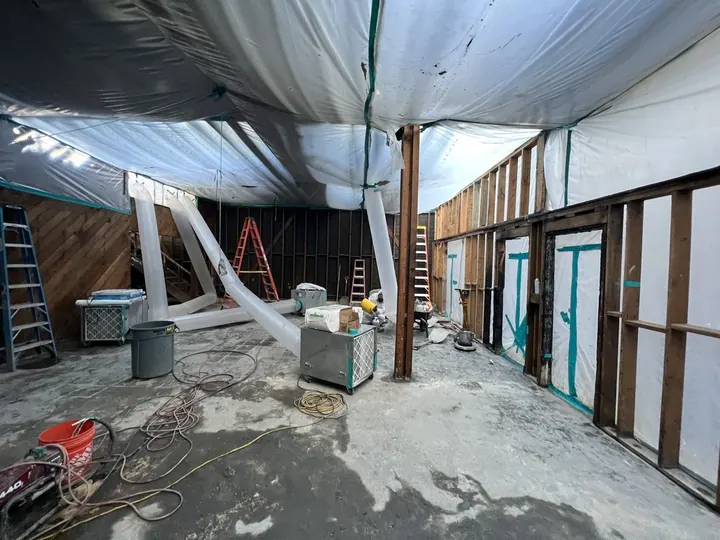
From the Field
Selective demolition can require overhead protection, isolated openings, air control, retained framing, and staged access before removal proceeds. These controls should be tied to the drawings, surveys, occupancy plan, and turnover requirements.
Each answer identifies practical inputs, responsibility boundaries, and conditions that should be confirmed for the actual project.
The demolition method, equipment, production plan, and exclusions depend on what is removed and what must remain.
SoCal Removal performs structural demolition, selective demolition, interior and exterior demolition, concrete and asphalt removal, dismantling, decommissioning, site clearing, debris handling, recycling, and related contractor field work. Each proposal defines the exact limits, exclusions, disposal responsibilities, protection, and turnover condition.
Selective demolition removes identified components while protecting retained structures, finishes, utilities, or occupied areas. Structural demolition removes load-bearing assemblies or entire structures and typically requires broader engineering, permitting, utility-release, exclusion-zone, equipment, and debris-planning inputs.
Yes, when expressly included. Concrete and asphalt removal, foundation removal, debris export, rough grading, backfill, and related site work can be evaluated from the plans and turnover requirements. Scanning, engineering, surveying, geotechnical testing, finish tolerances, and agency approvals remain separate unless specifically assigned.
Affected work should not begin until the applicable project prerequisites and releases are resolved.
Structural demolition commonly requires a city or county permit. Selective work may also require permits depending on jurisdiction, occupancy, structural effect, fire and life-safety systems, utilities, and regulated materials. The responsible party for filings, fees, inspections, releases, and closeout should be stated in the agreement.
Affected work should not disturb suspect materials until required surveys and project prerequisites are resolved. If documentation is incomplete, the work area may need independent evaluation, agency direction, revised scope, or written clarification before pricing and scheduling can be confirmed.
Gas, electric, water, sewer, fire protection, communications, process lines, and other utilities may require identification, shutoff, lockout, verification, capping, abandonment, relocation, or provider release. A public 811 ticket does not identify every private or owner-installed line, so records, private locating, potholing, or other verification may also be needed.
Protection and sequencing must be tailored to the materials, retained work, neighbors, and ongoing operations.
Sometimes. Feasibility depends on separation from occupants, access, egress, security, utilities, noise, vibration, dust, work hours, retained systems, and emergency procedures. Phasing and shutdown requirements must be defined before pricing and may require owner, consultant, building, or agency planning.
The work plan may include barriers, containments, water or other dust controls, floor and finish protection, equipment limits, vibration precautions, signage, exclusion zones, covered loads, street-cleaning controls, and defined haul routes. Required controls depend on permits, project documents, materials, occupancy, and site conditions.
Sequencing is based on structural information, utility status, regulated-material work, access, equipment reach, retained construction, shoring or temporary support, debris flow, occupancy, and turnover milestones. Engineering decisions and designed temporary works remain with the appropriately licensed design professionals when required.
Hauling records and the final site condition should be defined before production begins.
The proposal should define source separation or mixed-load handling, loading, hauling, receiving facilities, weight tickets, diversion reports, and any special packaging or profiling. Facility acceptance, contamination, haul distance, local rules, capacity, and market conditions can change routing, cost, and schedule; no diversion percentage should be guaranteed unless the contract and receiving path support it.
Only when expressly included. The agreement should identify slab and footing limits, buried foundation removal, void treatment, imported or reused fill, rough- or finish-grade responsibilities, tolerances, and who retains the geotechnical professional for observation and compaction testing. SoCal Removal does not provide civil design, land surveying, or geotechnical certification.
The affected work should be paused or stabilized as conditions require, then photographed, measured, and reported. The parties can evaluate safety, testing, utility, engineering, disposal, price, and schedule effects before authorizing revised work. Concealed items outside the documented scope are potential change-order conditions, not automatically included work.
SoCal Removal performs the demolition and site work expressly included in its agreement. Owners and their professionals remain responsible for complete project information, property and boundary data, required surveys and testing, design, engineering, utility-owner decisions, permits, inspections, and third-party releases unless the contract clearly assigns a lawful contractor task.
Reliable pricing and scheduling depend on the documents, access, responsibilities, quantities, and acceptance requirements identified for the project.
Continue with the service, planning guide, or project resource that best matches the work being evaluated.
Use the readiness matrix to arrange surveys, utilities, release points, site controls, debris routes, and closeout before mobilization.
Structural, selective, interior, exterior, dismantling, and decommissioning capabilities.
Concrete removal, debris export, grading, and defined site-turnover work.
Access, staging, phasing, work hours, milestones, and delay controls.
Owner-facing guidance on survey planning before demolition.
Send the plans, demolition limits, photos, surveys, utility information, access conditions, turnover requirements, and target dates. We will identify scope gaps and the next project-review step.
2026 prices: Demolition cost · All 2026 cost guides
This site is protected by reCAPTCHA.