Southern California Facility Decommissioning Contractor
Facility Decommissioning & Removal
SoCal Removal plans and performs the contracted demolition and removal portion of defined facility decommissioning projects across Southern California. The work begins with the owner’s required end state and an assigned-party matrix covering operations, hazardous energy, utilities, process contents, cleaning and purging, regulated materials, engineering, rigging, waste, environmental conditions, permits, assets and final turnover.
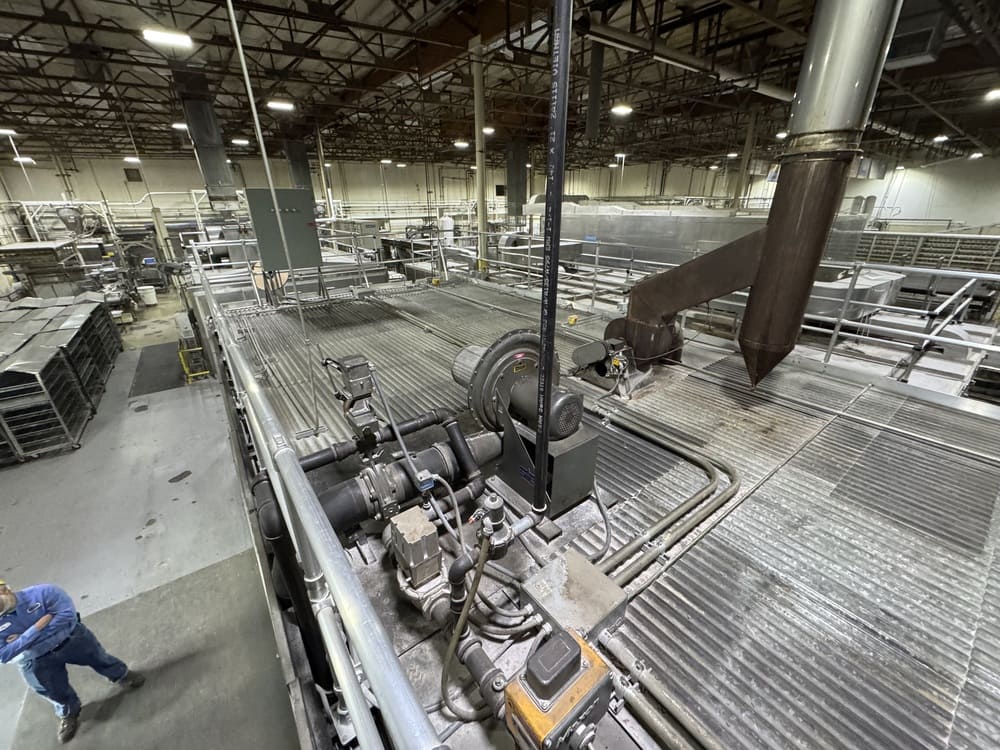
Assign the Work to the Right Service
Decommissioning Owns the Transition—not Every Removal Task by Default
A facility closure, relocation or modernization may contain several demolition services. The written end state, removal limits and handoff matrix decide which page owns the lead scope and where related work begins.
Decommissioning
Arranges the move from a documented current state to a required end state across operations, hazardous energy, utilities, residual contents, assets, materials, waste and turnover.
Use when shutdown and end-state interfaces drive the project.Dismantling
Disassembly of identified equipment, systems or structures for relocation, reuse, owner retention or segregated recovery under defined connection and handling criteria.
Explore DismantlingStructure Removal
Removal of an entire building or substantial structural system, including broader structural, utility, foundation and site-turnover decisions.
Explore Structure RemovalSelective Demolition
Defined removal of finishes, assemblies and systems while surrounding areas or the larger facility remain, usually under detailed remove, retain and protect limits.
Explore Selective DemolitionScope boundary: Decommissioning can organize a multi-party transition without transferring utility, operating-facility, environmental, engineering, laboratory, specialty-trade, transporter, receiving-facility or agency duties to SoCal Removal. Each proposal states our contracted demolition and removal portion and the work assigned to others.
Four End-State Paths
Define the End State First
The same equipment can require a different plan depending on what remains, what transfers, what must be isolated and what the authorized party expects at turnover. Select a path to see the early decisions.
Preserve selected systems for a documented standby condition
Identify equipment, utilities, fire and life-safety systems, monitoring, residual contents and maintenance obligations that remain. Assign operating release, shutdown limits, periodic inspection and restart responsibility.
- Remain: identified assets and support systems
- Energy: active, isolated or monitored by assigned party
- Turnover: condition and custody record
Separate removal from relocation and recommissioning
Document title, condition, disconnection, cleaning, labeling, rigging, packing, transport and acceptance criteria. Removal at one facility does not certify suitability or performance at the destination.
- Leave: owner-designated equipment and components
- Energy: releases assigned before disconnection
- Turnover: custody and destination acceptance
Prepare retained space for a defined future build-out
Issue remove, remain and protect limits for equipment, utilities, partitions, platforms and finishes. Define capped service points, structural and envelope criteria, temporary conditions and the build-back handoff.
- Remain: structure and designated base-building systems
- Energy: capped or retained services documented
- Turnover: shell matrix and open-item log
Arrange closure, removal and the next site phase
Connect operating shutdown, process contents, regulated materials, equipment, structures, underground systems, waste, environmental work and site preparation. Define what “clear” means without implying environmental closure or future-use approval.
- Leave: only documented retained conditions
- Energy: utility and system end states recorded
- Turnover: removal, waste and handoff records
This planner is a scoping aid. It does not determine energy status, characterize a residual, approve entry, provide engineering, establish environmental closure or replace issued project documents.
Source-Derived Work Packages
Ten Packages That May Shape a Facility Transition
Each card is a planning category, not an automatic contract inclusion. The proposal identifies quantities, prerequisites, assigned parties, release evidence, exclusions and turnover criteria.
01
End-State & Shutdown Planning
Current-state inventory, operating interfaces, emergency contacts, shutdown windows, phased occupancy and the required future condition.
02
Utilities & Hazardous Energy
Electrical, gas, water, steam, compressed air, process, fire, communications and other sources mapped to owner, employer, utility and licensed-trade assignments.
03
Process Equipment & Production Lines
Defined conveyors, pumps, compressors, machinery, hydraulic systems, fixtures and production equipment released for removal, retention or relocation.
04
Tanks, Piping & Residuals
Process history, contents, draining, cleaning, purging, vapor conditions, pressure state, sludge and confined-space roles resolved by qualified assigned parties.
05
Regulated Materials & Components
Asbestos, lead, PCBs, chemicals, universal waste, contaminated debris, mold and other identified materials handled through current surveys and written handoffs.
06
Asset Recovery & Owner Retention
Equipment, metals, fixtures and reusable components organized around title, condition, contamination status, handling, custody and receiving-party acceptance.
07
Structural Dismantling & Demolition
Issued scopes for concrete, steel, masonry, platforms, pads, foundations, pipe supports and infrastructure, including engineering, rigging and temporary-work interfaces.
08
Waste & Material Routing
Segregation, profiles, packaging, manifests, trucking, recycling and disposal planned with the identified generator, authorized transporter and accepting facility.
09
Environmental Remediation Handoff
Impacted soil, building materials, containment areas, underground systems and residual industrial conditions routed to assigned consultants, contractors and agencies.
10
Site Preparation & Turnover
Debris export, slab or foundation limits, clearing, rough-grade interface and records aligned with future construction, transfer or environmental work.
Higher-hazard process facilities are reviewed project by project. Scope acceptance depends on the actual systems, residuals, required specialties, consultants, agencies, insurance and available qualified resources. This page does not represent a blanket refinery, laboratory or chemical-plant capability.
Information Before Release
Give the Team an End-State Package—not Just an Equipment List
The strongest early package connects the owner’s intended outcome to current operations, systems, process history, residual materials, structure, assets, agencies, waste outlets and the work that follows.
It does not establish an energy state, confirm contents, approve confined-space entry, locate every concealed connection, characterize materials, provide engineering or certify another party’s records.
Investigation Planning
Ways to Reduce Uncertainty
P&IDs, one-lines and equipment inventories help define known systems, connections and ownership; safety data sheets, tank or process records and facility markups add available contents history.
Visible tracing plus an appropriate method—such as GPR or electromagnetic locating—may test selected routes and boundaries. The method must fit the question and does not establish certainty, energy state or residual status.
When records and non-destructive methods are insufficient, authorized exploratory openings, residual characterization or other assigned testing may be performed by qualified parties after applicable utility, material and structural controls.
Records, scanning and limited openings improve the evidence base; they do not locate every concealed condition or certify a facility as safe or released. They also do not replace required surveys, engineering, utility releases, sampling or destructive verification.
- Current-state inventory and written end-state matrix.
- Facility operations, emergency, shutdown and authorized-decision contacts.
- Equipment and process inventory, safety data sheets and available residual history.
- Current one-lines, P&IDs, utility maps, as-builts and system labels.
- Hazardous-energy sources, lockout or tagout program and employer responsibility matrix.
- Tank and piping characterization, draining, cleaning, purging and confined-space assignments.
- Regulated-material surveys, environmental reports and written abatement handoffs.
- Structural documents, demolition survey, temporary works, rigging and lifting plans.
- Permit, notification, CUPA, utility-owner and other agency responsibility matrix.
- Asset title, owner-retained list, relocation scope and acceptance terms.
- Waste generator, profiles, packaging, manifests, transporter and facility assignments.
- Site-preparation limits, turnover criteria, phasing and target schedule.
Pre-Removal Release Gates
Five Releases Before the Affected Scope Moves
These checkpoints convert facility knowledge and specialist decisions into a written field basis. They do not replace each employer’s program, professional judgment, agency authority or contract duties.
State & Operations
Owner and facility representatives document the current condition, required end state, operating interfaces, emergency contacts, shutdown windows and authorized acceptance party.
Energy & Utilities
The facility, affected employers, utilities and appropriately licensed trades assign identification, shutdown, lockout or tagout, disconnect, cap, mark, protect, verify and release duties.
Contents & Materials
Qualified assigned parties resolve process contents, residual characterization, draining, cleaning, purging, vapor conditions, confined-space controls, surveys, abatement and written handoff.
Structure & Movement
The responsible engineer and qualified rigging or lifting parties issue applicable demolition, support, sequence, lifting-point, equipment-handling and retained-condition criteria.
Waste, Agencies & Turnover
The owner, legal generator, consultants, agencies, transporter and receiving facilities resolve permits, notifications, profiles, manifests, environmental handoffs and acceptance records.
A release is specific to a system, boundary, phase and party. It should not be treated as a blanket statement that the facility is de-energized, empty, clean, environmentally closed or approved for a future use.
Five-Party Responsibility Map
Planning Works When Every Release Has an Owner
Final assignments come from the proposal, contract and issued project documents. Naming the parties keeps professional, facility, specialty-trade, generator and agency responsibilities from becoming field assumptions.
Owner / Facility / Generator
Provides process knowledge, inventories, safety data, operating and emergency interfaces, hazardous-energy program, asset title, legal generator decisions, access, end state and authorized acceptance.
Design & Environmental Professionals
Perform assigned surveys, sampling, laboratory interpretation, environmental characterization, structural engineering, geotechnical review, monitoring, closure support and issued design work.
Utilities & Specialty Trades
Perform assigned shutdowns, disconnects, caps, purging, cleaning, confined-space support, regulated-material work, rigging, lifting, system modification and specialty releases.
SoCal Removal
Plans and performs the contracted demolition, dismantling, segregation, loading, documentation and turnover portion after the applicable scope releases are established.
Agencies, Transporters & Facilities
Exercise their respective permit, notification, oversight, transportation and acceptance roles. Their approval or receipt is not replaced by contractor planning.
From Operating State to Turnover
An Eight-Step Decommissioning Sequence
The order changes by facility and phase, but each removal package should stay connected to its end state, assigned-party releases, waste route and closeout record.
- 01
Define
Record the current facility state, required end state and acceptance authority.
- 02
Inventory
Map systems, equipment, contents, utilities, assets, structure and known environmental conditions.
- 03
Survey
Assign characterization, material surveys, engineering and specialist evaluation to qualified parties.
- 04
Assign
Build the responsibility matrix for operations, energy, utilities, residuals, agencies and waste.
- 05
Release
Obtain the applicable system- and phase-specific records before affected removal begins.
- 06
Remove
Dismantle or demolish contracted components and segregate identified material streams.
- 07
Route
Transfer assets and waste through documented custody, transporter and facility paths.
- 08
Turn Over
Reconcile scope, temporary conditions, records, open items and contracted end state.
Current-Condition Planning Views
A Panel and a Process Unit Tell Two Different Parts of the Story
The source-page media is used here to teach inventory and boundary planning. Neither photograph proves project ownership, work completion, energy status, contents, condition or readiness for removal.
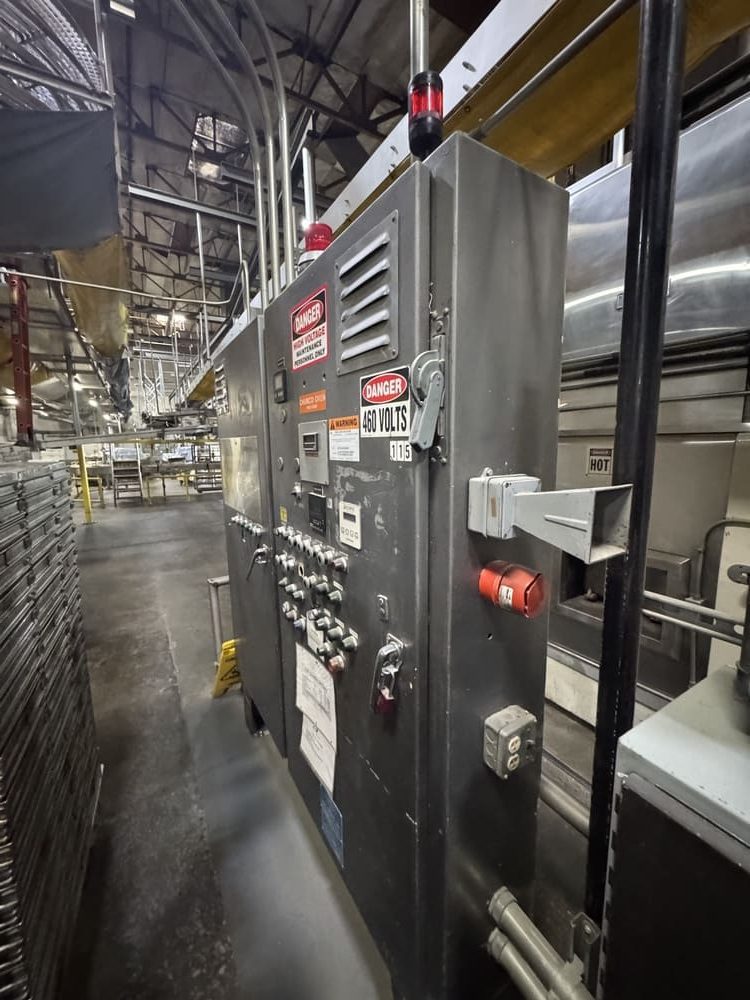
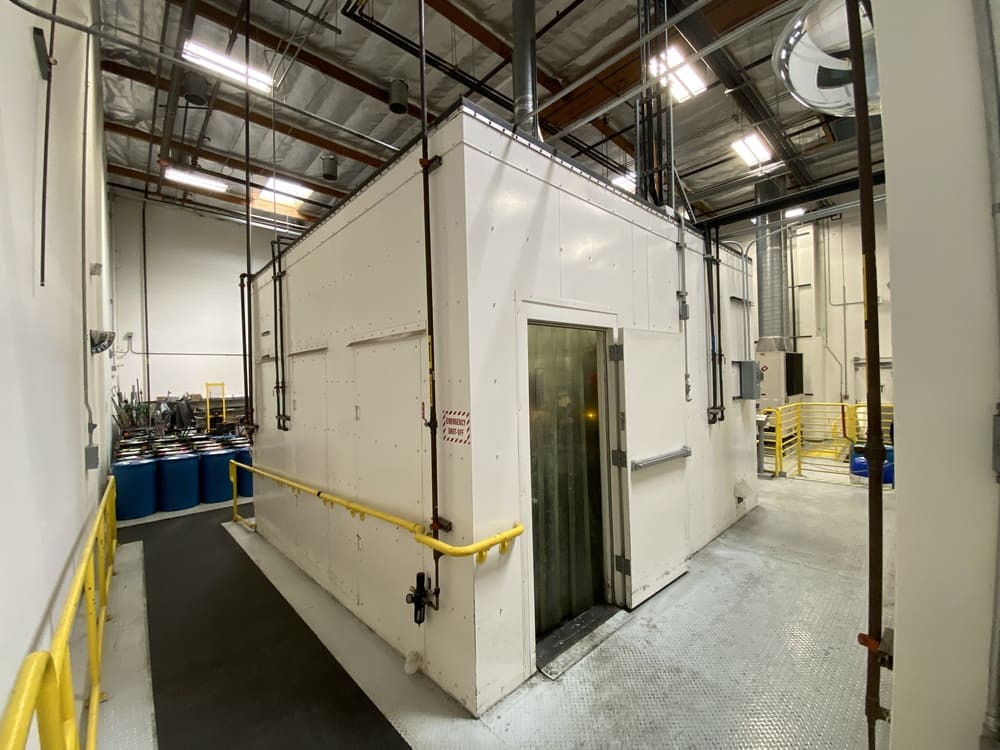
Planning context, not project-performance evidence. These images are not presented as a before-and-after pair or a completed result. No comparison slider is proposed. Publication remains gated on provenance, permission, project context and image-condition review.
Changed-Condition Protocol
When the Field Does Not Match the Release Basis
Undocumented feeds, residual product, pressure, corrosion, altered supports, concealed materials, unexpected waste or agency direction can change scope, method, sequence, cost and schedule.
- Pause the affected task
Limit additional disturbance at the mismatch without expanding the affected condition.
- Maintain the interface
Keep access, energy, temporary support and material controls in the assigned condition.
- Do not infer
Do not open, enter, cut, drain or assume contents, isolation or structural capacity from appearance.
- Document
Record location, photographs, labels, apparent extent, operating context and work already performed.
- Notify
Contact the authorized owner, facility, design, environmental or specialty decision-maker.
- Reconcile & authorize
Obtain required evaluation, revised direction, release evidence and written cost or time treatment before resuming.
Cost, Schedule, Asset, Waste & Turnover Drivers
The Removal Quantity Is Only One Part of the Price
Facility knowledge, release timing and acceptance criteria often drive as much risk as tonnage. Early definition supports a clearer pricing basis, realistic allowances and documented exclusions.
- Inventory quality, process history, safety data and current documentation.
- Active operations, emergency interfaces, shutdown windows and phasing.
- Energy sources, utility ownership, trade releases and system modifications.
- Residual characterization, draining, cleaning, purging and confined-space support.
- Regulated materials, environmental conditions, consultants and agency actions.
- Structural sequence, temporary works, equipment reach, rigging, lifting and access.
- Asset handling, disassembly, protection, custody, transport and acceptance.
- Waste codes, profiles, packaging, manifests, haul routes and facility acceptance.
- Final removal limits, rough-grade or slab condition, restoration and turnover records.
Asset Terms
Do not price an assumed salvage credit.
Potential reuse or recovery depends on title, condition, contamination status, disassembly effort, schedule, custody, market and buyer acceptance. Any value, credit or ownership transfer belongs in the written contract.
Potential Material Streams
Separate only what the project and outlet support.
Concrete and asphalt; steel and scrap metals; copper and specialty alloys; wood; mechanical and electrical components; industrial fixtures and equipment; process machinery; and miscellaneous construction materials may be evaluated. Actual disposition depends on condition, contamination, separation effort, project requirements and receiving-facility acceptance.
Closeout Records
Turnover Should Reconcile the Written End State
Closeout records are assembled according to the contracted responsibilities and authorized acceptance matrix. Collecting or transmitting a third party’s record does not certify that party’s work or result.
- Current-state-to-end-state scope reconciliation and authorized acceptance record.
- Applicable utility, hazardous-energy, disconnect and system-status records.
- Process contents, cleaning, purging, regulated-material and environmental handoffs.
- Owner-retained, relocated, transferred, recycled and disposed asset log.
- Applicable profiles, manifests, weight tickets, receipts and receiving records.
- Temporary conditions, retained systems, open items and next-phase responsibility log.
Practical Answers
Facility Decommissioning Planning Questions
These answers explain planning boundaries. The issued documents, written proposal and contract control the actual scope, delivery model and responsibility assignments.
What is facility decommissioning?
Facility decommissioning is the transition from a current operating or occupied condition to a defined future state. The project may involve shutdown planning, inventories, utility and energy releases, equipment or system removal, residual-material management, regulated-material work, asset disposition, demolition, waste documentation and site turnover. The written proposal identifies SoCal Removal’s contracted portion and the work assigned to others.
How is decommissioning different from dismantling?
Decommissioning is organized around the facility’s end state and the release of operations, energy, utilities, contents, environmental conditions and records. Dismantling is the controlled disassembly of specific equipment, systems or structures, often for relocation, reuse or segregated recovery. A decommissioning plan may include dismantling, but the services are not interchangeable.
Who shuts down equipment and performs lockout or tagout?
The owner or operating facility identifies energy sources, operating knowledge, emergency interfaces and its hazardous-energy program. Each employer controls its employees and assigned lockout or tagout responsibilities. Utility owners and appropriately licensed or qualified trades perform applicable shutdown, disconnect, isolation or verification work. A photograph, equipment tag or verbal representation is not treated as proof of a released energy state.
Who disconnects electrical, gas, water, steam and process utilities?
Affected services are identified from current records and field planning, then assigned for shutdown, disconnection, capping, draining, relocation, marking or protection. Utility owners and appropriately licensed trades perform or release regulated trade work when required. SoCal Removal removes only components expressly released for its contracted demolition scope.
Who cleans or purges tanks, piping and process equipment?
The owner provides process history, safety data and available contents information. Qualified assigned parties establish characterization, draining, cleaning, purging, vapor-control, confined-space and release requirements. SoCal Removal does not infer that a vessel or line is empty, clean, depressurized or safe to enter from appearance or owner representation alone.
How are asbestos, lead, PCBs and other regulated materials handled?
Current surveys and material information are compared with the actual planned disturbance. Independent qualified parties perform assigned sampling, laboratory analysis, interpretation, monitoring and clearance. Required abatement, notifications and written handoff are resolved before demolition or removal affects covered materials.
Can equipment or metals be salvaged to offset project cost?
Potential reuse, relocation, recycling and salvage streams can be identified, but title, condition, contamination status, disassembly effort, schedule, market, buyer and receiving-party acceptance must be documented. No salvage quantity, value, credit or cost offset is assumed unless the contract states the basis, ownership, risk and acceptance terms.
Who is responsible for hazardous-waste characterization and disposal?
The project documents identify the legal generator and assign sampling, characterization, waste codes, profiles, packaging, manifests, transporter selection, receiving facility and record retention. Properly authorized transporters and facilities are used where required. SoCal Removal performs only the handling and planning expressly included in its contract and does not replace the generator, consultant, laboratory, transporter or facility.
When are engineers, riggers or lifting specialists required?
Structural alterations, uncertain supports, temporary works, heavy picks, engineered lifting points, complex rigging and retained-condition questions are released through the responsible engineer and qualified rigging or lifting parties when applicable. SoCal Removal follows issued documents and assigned plans; it does not provide structural engineering or certify lifting devices and retained construction.
When is a decommissioning project complete?
Completion is measured against the written end-state and turnover matrix—not a generic statement that the site is ready. Closeout may require scope reconciliation, utility and system records, asset logs, waste documentation, consultant or agency records, photographs, temporary-condition status and acceptance by the authorized party. Reconstruction, environmental closure and future-use approval remain separate unless expressly included.
Begin with the Facility Record
Send the End State, System Inventory & Shutdown Constraints
Share current plans, photographs, equipment and asset lists, safety data, process history, one-lines or P&IDs, surveys, environmental records, operating constraints, utility status, shutdown windows, waste information, schedule and required turnover condition. We will identify service fit, release gaps, assigned-party interfaces, pricing assumptions and the next review step.