Lead Removal Planning for Demolition, Renovation & Coating Work
Abajian Enterprise dba SoCal Removal arranges documented lead-related construction interfaces for residential, commercial, industrial and public projects. The final field scope depends on the project documents, applicable renovation or abatement program, the performing employer’s exposure assessment, required qualified personnel, waste characterization and assigned independent testing or clearance parties.
Project Readiness
Start With the Question the Project Actually Needs Answered
Lead-related renovation, intentional abatement, employee exposure, and waste classification are connected, but they are not the same decision. Choose the condition that best matches the project today.
Send the complete current package
Provide the full report and laboratory attachments, plans, specifications, affected components and coatings, property type, occupancy, photographs, access constraints, public or private status, and desired schedule. We will identify scope interfaces and unresolved inputs before confirming contractor responsibilities.
Assign the right independent discipline
The owner should retain an appropriately qualified professional for the required inspection, risk assessment, sampling, laboratory analysis, monitoring, or clearance role. The project purpose, property type, affected work, and governing program determine which discipline is appropriate.
Pause the affected activity and preserve the facts
Avoid additional disturbance or dry cleanup. Control access as appropriate, document the location and activity, notify the owner or project representative, and obtain project-specific direction before work resumes. Each employer remains responsible for its employee-exposure duties.
Important: This page explains project interfaces. It does not identify a coating, perform a lead hazard evaluation, classify waste, select a work method, or replace direction from an assigned qualified professional, employer, facility, or agency.
Project Inputs
A Useful Review Starts With More Than a Paint Result
The same reported coating can lead to different requirements depending on what the project will disturb, where the work occurs, who occupies the property, why the work is being performed, and how the resulting material will be managed.
A result associated with paint or a coating does not, by itself, classify the debris or determine a receiving facility. The actual waste stream, generator responsibilities, sampling approach, facility criteria, and transportation requirements must be resolved before shipment.
Ways to Reduce Uncertainty
These tools can reduce uncertainty, but they cannot guarantee every concealed condition or replace required surveys, engineering, utility releases, sampling or destructive verification.
- Records and paint history
Compare construction dates, renovation records, coating specifications, prior reports and repaint history with the surfaces and work methods in the current scope.
- XRF or paint-chip sampling by a qualified party
XRF field readings and laboratory paint-chip analysis answer different questions; the assigned qualified party selects the method, locations and interpretation.
- Targeted dust, soil or opening evaluation
Use project-specific questions to decide whether dust wipes, soil samples or controlled openings are appropriate around the planned disturbance and occupied interfaces.
- Correct property, project address, and affected work areas.
- Renovation, repair, demolition, coating removal, or intentional hazard-reduction purpose.
- Residential, child-occupied, commercial, industrial, institutional, or public-work setting.
- Complete reports, sampling maps, laboratory attachments, specifications, and revisions.
- Affected substrates, coatings, quantities, condition, access, and disturbance methods.
- Occupancy, phasing, shutdowns, adjacent operations, and work-hour restrictions.
- Assigned independent evaluation, monitoring, laboratory, and clearance parties.
- Performing-employer exposure assessment and worker-protection responsibilities.
- Waste generator, characterization, transporter, receiving-facility, and record responsibilities.
- Schedule, procurement, prevailing-wage, insurance, bonding, and closeout requirements.
Property type and project purpose can change the applicable program, credential, documentation, access, and closeout requirements. They should be identified before price and schedule are treated as final.
Where Planning Starts
Painted Components Meet Many Kinds of Construction
Potential lead disturbance is not limited to residential repainting. The affected coating, substrate, activity, property type, occupancy, and surrounding operations drive the review.
- 01Homes & Apartments
Renovation, windows, repairs, and demolition.
- 02Schools & Child-Occupied Facilities
Occupied-area planning and schedule controls.
- 03Commercial Interiors
Tenant improvements, phased work, and active buildings.
- 04Industrial Facilities
Machinery, tanks, piping, structural systems, and shutdowns.
- 05Steel & Infrastructure
Bridges, railings, loading structures, and heavy construction.
- 06Marine & Coastal Assets
Durable protective coatings and constrained access.
- 07Surface Preparation
Cutting, scraping, sanding, grinding, blasting, and torch work.
Field Context
Photographs Support Planning—They Do Not Identify a Coating
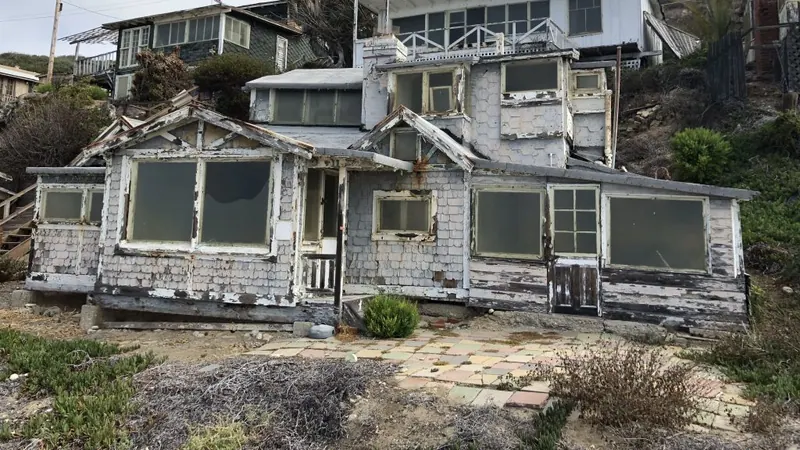
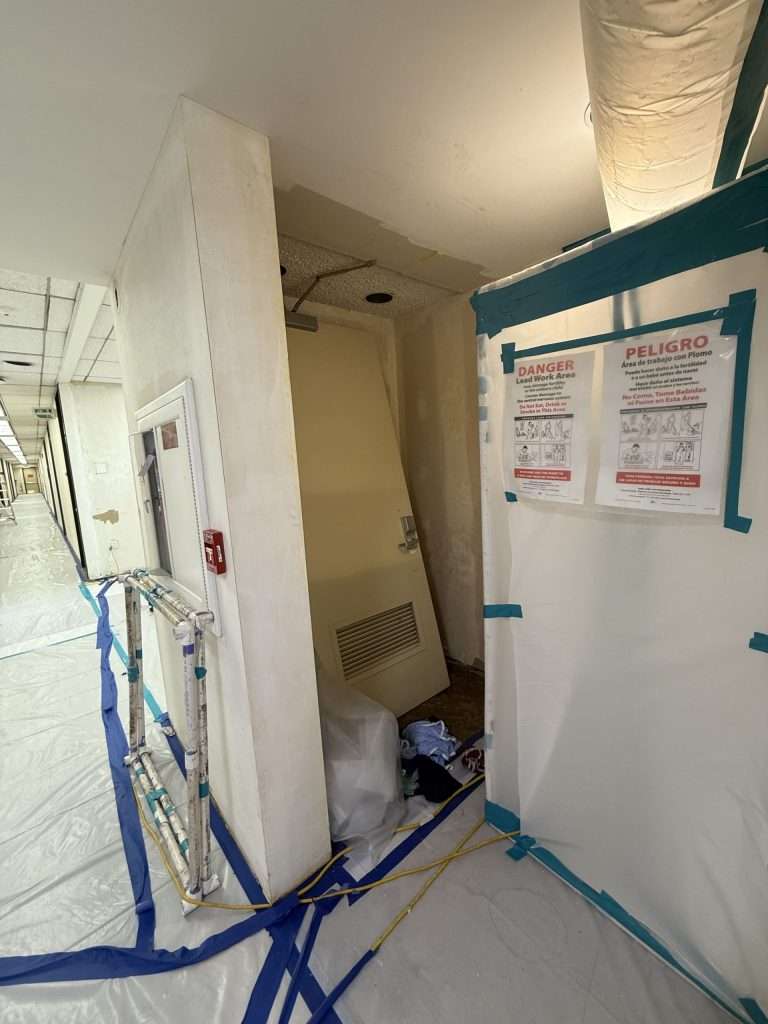
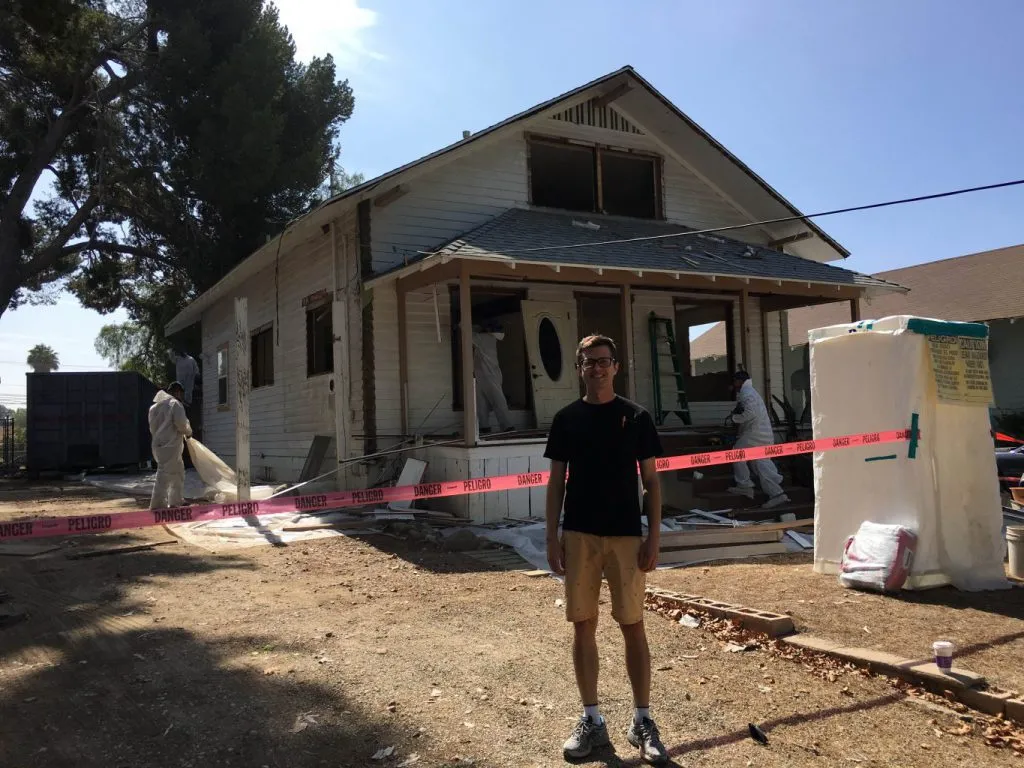
These photographs were retained from the existing Lead page. They show observable work-area and surface conditions only; reports, project documents and appropriately assigned parties determine coating content, work requirements and acceptance criteria.
See the Lantern Village lead-related removal project in Dana Point for the work scope, contractor roles and original project photographs.
Responsibilities
Clear Roles Prevent Expensive Handoffs
Client / Owner
Defines the project purpose and affected construction scope, provides current records, retains owner-assigned professionals, supplies access and decisions, and signs assigned owner or generator documents.
Independent Lead Professionals & Laboratory
Perform assigned hazard evaluations, inspections, risk assessments, sampling, laboratory analysis, project monitoring, environmental verification, or clearance under the qualifications their role requires.
SoCal Removal
Reviews the available documents and manages only the construction, demolition, removal, logistics, sequencing, communication, and records assigned by its final written scope and verified delivery model.
Authorized Project Parties
Each employer, consultant, agency, generator, transporter, carrier, and receiving facility controls its assigned legal, contractual, exposure, approval, acceptance, and record responsibilities.
SoCal Removal does not provide in-house lead inspection, risk assessment, laboratory analysis, independent project monitoring, or clearance. Intentional lead-abatement work and other California lead-related construction use personnel whose current CDPH discipline matches the assigned role when required. Each performing employer owns its employee exposure assessment and worker-protection program.
Lead Project Map
Three Systems, Different Jobs
EPA RRP, intentional lead abatement, and Cal/OSHA construction exposure requirements can overlap, but none is a substitute for the others. The project purpose, property type, planned disturbance, employee exposure, and assigned roles determine which requirements apply.
This section is not an inspection, risk assessment, exposure assessment, work plan, waste profile, agency decision, or clearance result. Current regulations, project documents, assigned professionals, and each employer’s project-specific determinations control.
EPA Renovation Program
RRP: Work That Disturbs Painted Surfaces
EPA’s Renovation, Repair and Painting program applies to qualifying compensated renovation work that disturbs painted surfaces in covered pre-1978 housing and child-occupied facilities. Covered projects use a certified firm, an assigned certified renovator, required work practices, records, and pre-renovation education.
Key distinction: RRP firm certification is not lead-abatement certification, and RRP cleaning verification should not be represented as independent clearance.
EPA RRP ProgramIntentional Hazard Reduction
Abatement: Work Designed to Address Lead Hazards
Lead abatement is intentionally designed to permanently eliminate lead-based-paint hazards. Inspection, risk assessment, project monitoring, supervision, worker, design, and clearance functions are assigned under a different certification and project-role framework.
Key distinction: The purpose of the work matters. A project should not be marketed or documented as abatement merely because painted material is being removed.
EPA: Abatement Versus RRPNot Sure Which Lane Applies?
Send the project purpose, property type, reports, and affected scope.
Worker-Exposure Framework
Cal/OSHA Trigger Tasks
California’s construction lead standard applies where employees may be occupationally exposed to lead. Each covered employer must make the required initial determination. Listed trigger tasks use specified interim protections while the employer completes and documents the project-specific exposure assessment; the assessment result and current standard control which protections continue. Read Title 8, Section 1532.1.
Listed Construction Tasks
Examples include manual demolition of structures, manual scraping, and qualifying heat-gun work where lead-containing paint or coatings are present.
- Planning implication
- The performing employer evaluates the actual activity, material, duration, conditions, and required interim protection—not just the name of the trade.
Other Work With Potential Exposure
A task does not need to appear on the trigger list for the standard to apply. The employer evaluates unlisted work when there is reason to believe employee exposure may meet or exceed the applicable limit.
- Planning implication
- “Not listed” does not mean “no lead controls.” Project-specific exposure information and the employer’s determination remain necessary.
Higher-Exposure Assumption Tasks
Examples include manual sanding; power-tool cleaning, grinding, or sanding with dust collection; and spray application of lead-containing paint.
- Planning implication
- Equipment selection, containment, access, adjacent operations, cleanup, and worker protection must be planned with the performing employer’s exposure assessment.
Highest Interim Assumption Tasks
Examples include using lead-containing mortar; lead burning; rivet busting; certain power-tool work without dust collection; dry abrasive cleanup; abrasive blasting or enclosure movement; and specified welding or torch work.
- Planning implication
- These activities can materially affect area isolation, engineering controls, respiratory protection, decontamination, schedule, and adjacent-work sequencing.
Classification boundary: Levels 1–3 and the unlisted-task lane are employee-protection categories, not asbestos work classes, client-selected removal methods, project risk scores, or proof that any specific control is sufficient. Employee exposure monitoring is also different from property inspection, risk assessment, waste characterization, environmental monitoring, or post-work clearance.
California Role Framework
CDPH Credentials Follow the Assigned Discipline
California lead-related construction certifications are issued to individuals by discipline, not as a blanket company credential. The Title 17 role framework centers on covered residential and public buildings; industrial or other commercial work may still carry separate Cal/OSHA, project-specification, environmental, and contractual duties. Applicability depends on the property, project purpose, activity, and assigned role. Review CDPH certification types and when certification is required.
Inspector / Assessor
Performs assigned inspection, risk-assessment, hazard-evaluation, and specified clearance functions within the discipline’s current authority.
Sampling Technician
Performs the limited sampling functions allowed by the discipline under the required direction and project assignment.
Project Monitor
Performs assigned independent project-monitor functions and specified verification or clearance activities within the discipline’s current authority.
Supervisor
Directs assigned lead-related construction activities and fulfills the supervisory functions required for the covered work.
Worker
Performs covered lead-related construction activities within the assigned scope and under the required supervision.
Role boundary: Assigned credentials and expiration dates must be verified for the actual project. This page does not appoint a discipline, expand a certificate, or state that every role applies to every lead-related project.
Additional Interfaces
The Lead Scope May Not Be the Only Regulated Scope
Demolition, blasting, redevelopment, and industrial work can connect lead planning to separate dust, waste, stormwater, or existing-site obligations. These interfaces require their own project-specific review; a lead report does not resolve them automatically.
Visible Emissions & Fugitive Dust
Demolition, material handling, abrasive work, excavation, track-out, and stockpiles may create separate South Coast AQMD or local dust-control requirements.
- Project question
- Which party owns the applicable dust plan, controls, records, notifications, and off-site interface? Review South Coast AQMD’s overview.
California Classification
Paint chips, dust, blasting media, filters, sludge, separated coatings, debris, and other generated streams may require California-specific evaluation before transport or disposal.
- Project question
- Who is the generator, what is the actual stream, and what information will the receiving facility require? Review DTSC classification requirements.
Stormwater & Washwater
Exterior surface preparation, wash methods, runoff potential, and site drainage can create separate stormwater or wastewater responsibilities.
- Project question
- How will water, residue, weather exposure, drainage, collection, and authorized discharge or disposal be addressed?
Existing Environmental Impacts
Industrial history, heavy metals, petroleum impacts, contaminated soil, buried waste, or agency oversight can expand the work beyond coating removal.
- Project question
- Do current site records define the limits, responsible parties, monitoring, handling, and release conditions?
Interface boundary: The responsible project parties must identify the current rule, permit, order, waste decision, and agency jurisdiction that actually apply. SoCal Removal does not act as the regulator, environmental consultant, laboratory, or independent monitor.
Project Sequence
From Project Purpose to Downstream Release
The exact parties and requirements change by project. This sequence keeps the major decisions and responsibility handoffs visible.
- 01
Define the Work
Identify the project purpose, property type, occupancy, and affected components or coatings.
- 02
Collect the Record
Assemble current reports, laboratory attachments, plans, specifications, photographs, and amendments.
- 03
Assign the Program
Resolve whether RRP, intentional abatement, construction exposure rules, or another requirement applies.
- 04
Assign the People
Name who evaluates, designs, supervises, performs, monitors, tests, transports, signs, and closes each item.
- 05
Complete Assessments
Address independent evaluations and each employer’s exposure and worker-protection responsibilities.
- 06
Resolve Prerequisites
Confirm scope, access, notifications, controls, facility acceptance, schedule, and commercial terms.
- 07
Perform Authorized Work
Assigned parties complete only their documented responsibilities using the required qualified personnel.
- 08
Document and Release
Required records and independent results are delivered before affected downstream work proceeds.
No permit, notification acceptance, inspection, laboratory result, exposure result, waste acceptance, clearance, or other third-party outcome is guaranteed.
Changed Conditions
When Additional Painted Material or Dust Appears
Concealed coatings, damaged surfaces, undocumented dust, or quantity increases can change exposure controls, work zones, independent evaluation, waste acceptance, price, and schedule. Preserve the facts and the written change process.
- Pause the affected activity
Stop without causing additional disturbance and leave the immediate condition undisturbed when practical.
- Control the interface
Restrict access and address immediate dust migration or housekeeping through the assigned project controls.
- Document the condition
Record the location, apparent extent, affected activity, photographs, and work already performed.
- Notify assigned parties
Inform the owner, contractor, consultant, employers, and other responsible project representatives.
- Reconcile the impacts
Update evaluation, exposure, work-zone, waste, notification, access, schedule, and cost decisions as required.
- Authorize before resuming
Preserve change-order and delay rights, then proceed only after required direction and written authorization.
Waste and Records
Waste Decisions Belong to the Actual Waste Stream
Coating information, substrate, demolition method, source, quantity, generator status, facility criteria, and sampling approach can affect waste handling. The written proposal should identify who characterizes, profiles, packages, labels, signs, transports, accepts, and records each stream.
- Assigned generator and owner responsibilities.
- Waste-stream characterization and sampling documentation.
- Receiving-facility profile review and acceptance.
- Packaging, labeling, staging, loading, and quantity controls.
- Transporter qualifications and required shipping documents.
- Daily reports, photographs, quantities, and change documentation.
- Assigned consultant, laboratory, employee-exposure, monitoring, and clearance records.
- Closeout delivery and written release for downstream construction.
Common Questions
Lead Project Planning Questions
These answers explain the project-purpose, role, exposure, waste, and documentation issues that commonly affect demolition and renovation planning.
Can lead-containing paint or coatings be identified by appearance or building age?
No. Age, color, condition and appearance may inform planning, but they do not establish lead content. Use the project documents and appropriately assigned evaluation or testing before confirming scope.
What is the difference between EPA RRP work and intentional lead abatement?
EPA RRP addresses qualifying renovation, repair and painting that disturbs lead-based paint in covered pre-1978 housing and child-occupied facilities. Intentional abatement is work designed to permanently eliminate lead-based-paint hazards and is governed by a different certification and project-role framework. The project purpose and property type must be resolved before selecting the program.
Does SoCal Removal perform lead inspections, risk assessments, laboratory analysis, project monitoring or clearance?
Those services are assigned to appropriately qualified independent parties when required. SoCal Removal reviews the available project information and manages only its contracted construction, demolition, removal, logistics and planning responsibilities.
What are Cal/OSHA lead trigger tasks?
Section 1532.1 identifies Level 1, Level 2 and Level 3 trigger tasks, plus tasks that are not listed. These categories establish interim worker-protection assumptions while the performing employer completes the required exposure assessment; the assessment result and current standard control which protections continue. They are not client-selected work methods or lead-abatement classes.
Does a paint or coating result determine whether the waste is hazardous?
Not by itself. Building-material information and waste classification answer different questions. The assigned generator and environmental parties must evaluate the actual waste stream, sampling plan, profile, transporter and receiving-facility requirements before shipment.
Can the same lead plan be used for residential, commercial and industrial work?
Not automatically. Property type, occupancy, project purpose, coating and substrate, disturbance method, access, exposure potential, environmental conditions and waste destination can change the applicable requirements and project controls.
What happens if additional painted material or contamination is discovered after work starts?
Pause the affected activity, control access and dust as appropriate, document the condition and determine whether evaluation, exposure assessment, work-zone controls, notifications, waste characterization, price or schedule must be revised before work resumes.
What should I submit for lead-project review?
Send available lead reports and laboratory attachments, plans, specifications, photographs, the affected components and coatings, demolition or renovation limits, property type and occupancy, access and shutdown constraints, desired schedule, public or private status, insurance and bonding requirements, and any known waste or environmental information.
Document-First Review
Start With What the Project Will Disturb
Provide the available lead documents, project purpose, affected scope, property type, occupancy, photographs, access conditions, and schedule. We will identify missing inputs, responsibility interfaces, and the next practical step before the work is priced as final.