Environmental & Hazardous Materials
Environmental & Hazardous-Material Project Planning
SoCal Removal evaluates and arranges defined environmental contractor scopes that interface with demolition, renovation and site preparation. The written delivery plan identifies the information required, work assigned to SoCal Removal, independent professional services, regulated specialty work, transport and disposal responsibilities, and the records needed for turnover.

Owner-Led Service
We Stay Involved
From the first document review through closeout, we keep the contractor scope clear, identify missing information, and arrange access, sequencing, field activities, and assigned records with the project team.
Abajian Enterprise dba SoCal Removal is owner-led by Andre Abajian, President/Secretary. Our team stays directly involved so questions are addressed and responsibilities remain visible as the work moves forward.
- Clear Scope
- Define the contractor work, interfaces, assumptions, and prerequisites in writing.
- Document Review
- Review available plans, surveys, reports, and project requirements before field work.
- Direct Communication
- Keep questions, decisions, schedule items, and assigned records visible to the project team.
How We Start
A Straightforward Project Review
Every request starts with the information available today and a practical next step.
Send the Current Package
Use the project intake to share the documents and basic site or schedule information currently available.
We Review and Clarify
We identify the defined scope, missing documents, interfaces, prerequisites, and questions that may affect field work or timing.
We Schedule the Next Step
When the scope is ready, we arrange a site visit, contractor proposal, scheduling step, or independent professional review when required.
Documented Environmental Scopes
Environmental Contractor Services
We evaluate lead, mold, characterized soil or debris, PCB-containing components, universal waste, and other specified materials from the available reports and project requirements. Each proposal defines our exact contractor scope and the responsibilities of other parties.
Asbestos Abatement
We review the asbestos survey, and all asbestos removal, whatever the size, is performed by a licensed, Cal/OSHA-registered abatement subcontractor.
- Review surveys and affected work areas
- Arrange access, sequencing, and interfaces
- Track assigned waste and closeout records
Lead
Documented lead-related contractor work and selective removal based on the identified materials, affected components, and written project scope.
- Review available reports and affected components
- Arrange occupied-area controls and access
- Support independent testing or clearance when required
Mold
Protocol-based removal of affected building materials, containment, cleaning, and planning with the moisture-source and construction scope.
- Review the available assessment or protocol
- Arrange containment and selective removal
- Support independent post-remediation evaluation when required
Contaminated Soil / Regulated Debris
Excavation, segregation, loading, and assigned transport or disposal planning for characterized soil, regulated debris, and other specified materials.
- Review available analytical and profile information
- Arrange excavation, segregation, and loading
- Track assigned transport and receiving records
Visible Conditions Are a Starting Point
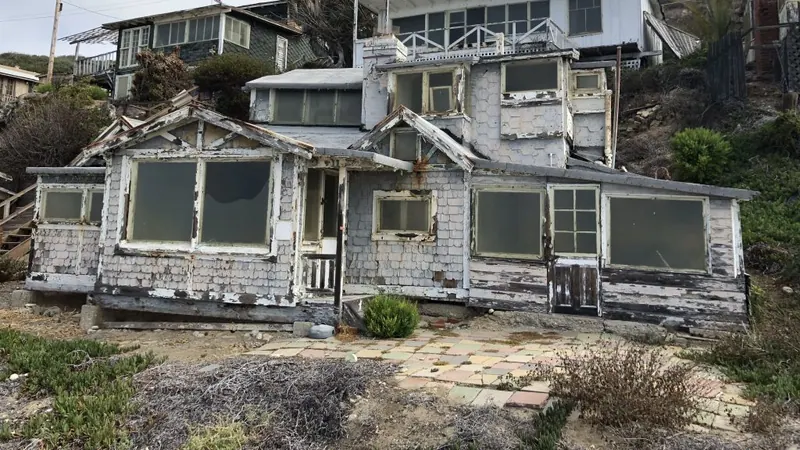
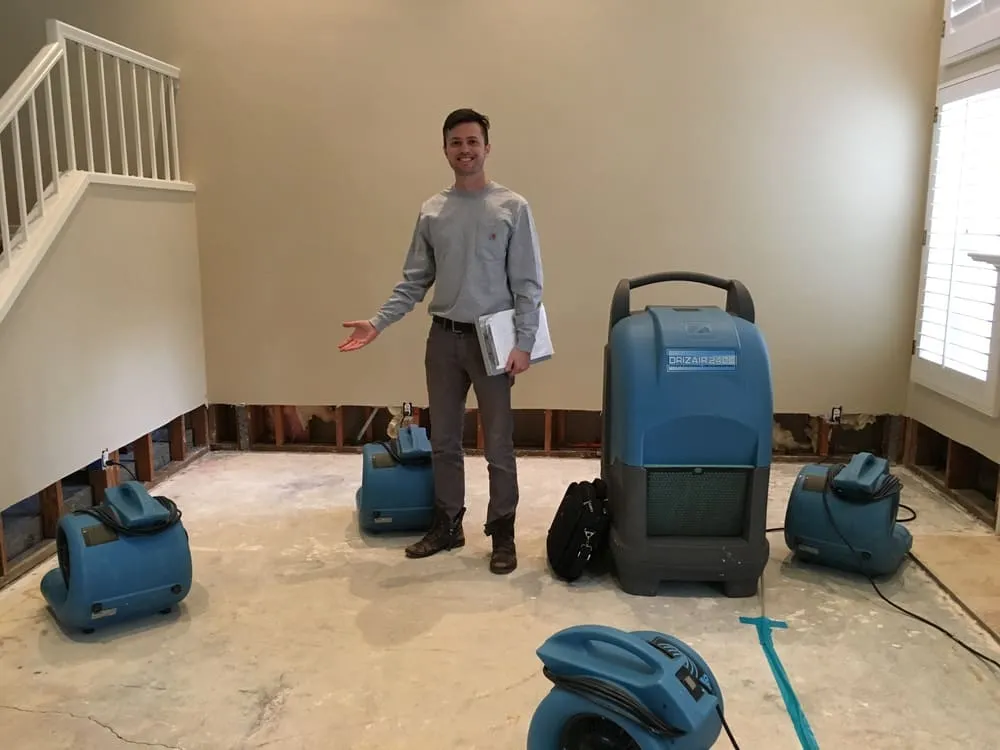
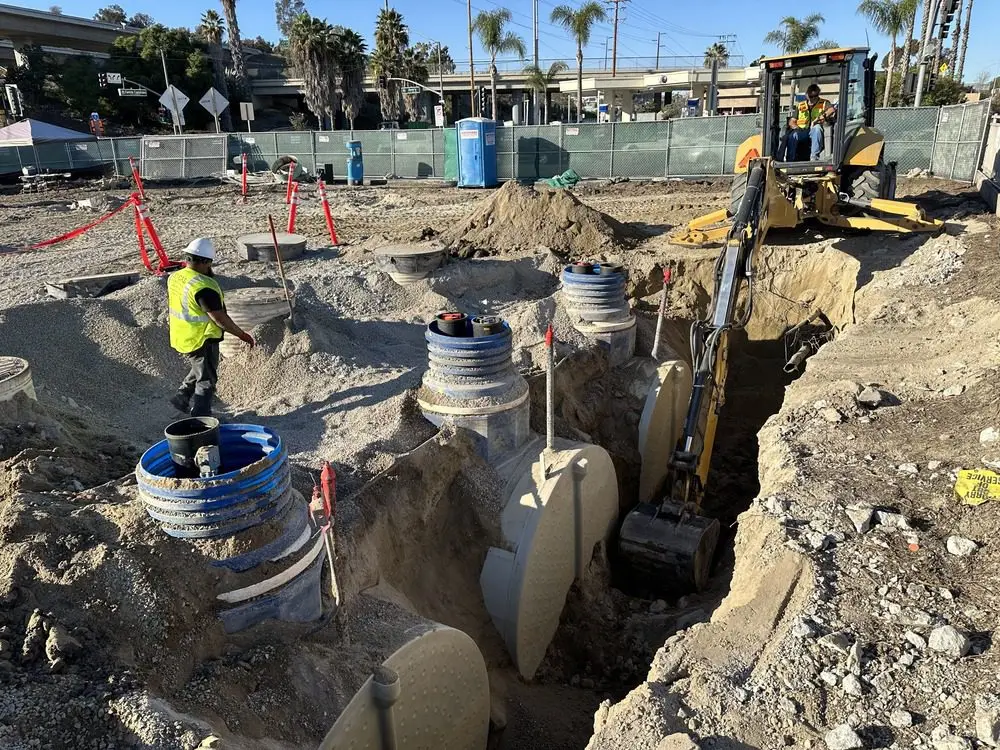
Field Photographs Support Scope Review—They Do Not Identify Materials
Photographs help the project team discuss access, work areas, equipment, affected assemblies, excavation limits, and sequencing. Material identity, work requirements, and acceptance criteria must come from the applicable reports, project documents, and qualified parties.
Common Project Situations
Where Abatement Planning Fits
- 01Renovation
Before affected materials are disturbed.
- 02Demolition
Before full or partial building removal.
- 03Demolition Prep
When regulated materials affect mobilization.
- 04Tenant Improvements
During interior changes and build-outs.
- 05Occupied Projects
When access and phasing need added planning.
- 06Discovered Conditions
When suspect materials are found during work.
- 07Schedule Risk
When prerequisites could delay downstream work.
Our primary service area is Southern California. Statewide opportunities are reviewed based on the documented scope, schedule, access, logistics, and project requirements.
Project Timing
Timing Affects the Whole Project
Surveys, access, sequencing, required notices, transport arrangements, and receiving-facility acceptance may affect when field work can start and when downstream construction can proceed.
Early review helps the project team identify prerequisites, assign responsibilities, and plan around conditions that could affect mobilization or schedule.
If suspect or concealed materials are discovered, affected work may need to pause while independent evaluation, revised scope, applicable notifications, waste acceptance, or written change authorization is addressed.
- Survey and report availability
- Occupied-area and access constraints
- Demolition and renovation sequencing
- Notification or agency lead times when applicable
- Transport and receiving-facility arrangements
Responsibilities
Clear Roles Keep Work Moving
Client / Owner
Provides available reports, project requirements, access, decisions, and owner-assigned responsibilities.
SoCal Removal
Evaluates the documented scope and manages only the contractor work, logistics, sequencing, and records assigned in our agreement.
Independent Environmental Professionals
Perform surveys, sampling, laboratory analysis, project design, monitoring, independent verification, and clearance when required.
Specialty Contractors, Carriers & Facilities
Properly licensed and registered asbestos contractors perform regulated asbestos removal when required. Authorized carriers and receiving facilities handle their assigned waste responsibilities.
Utilities and public agencies control their own requirements, reviews, inspections, and approvals. The proposal assigns notifications, transport, disposal, and recordkeeping responsibilities. No approval, third-party finding, or final outcome is guaranteed.
Common Questions
Environmental Scope Questions
These answers explain the information and responsibility split that commonly affect contractor scope.
What environmental and hazardous-material scopes can SoCal Removal evaluate?
We evaluate documented scopes involving lead-containing materials, mold-impacted building materials, characterized soil or debris, PCB-containing components, universal waste and other specified hazardous materials. The exact contractor scope depends on independent reports, project specifications, site conditions, waste characterization, licensing and applicable requirements.
Does SoCal Removal identify, test or independently clear hazardous materials?
No. SoCal Removal is a demolition and environmental contractor, not an independent environmental consultant, testing laboratory, industrial hygienist or engineering firm. Appropriately qualified independent professionals may be required for surveys, sampling, laboratory analysis, project design, monitoring or final verification before or after contractor work.
Can regulated-material work be planned with demolition or renovation?
Yes. We can arrange sequencing among our contracted work, independent consultants and appropriately authorized specialty contractors when required. The proposal identifies which party performs each activity. Final sequencing depends on permits, notifications, consultant requirements, access, occupancy, release criteria and receiving-facility arrangements.
How are hazardous-material transportation and disposal records handled?
Waste must be characterized, profiled and accepted before shipment. As applicable, material is packaged, labeled, loaded, transported by appropriately authorized carriers and delivered to a facility authorized to accept that waste. Closeout may include manifests, shipping papers, weight tickets, facility receipts and photographs; the proposal assigns each responsibility, including required generator signatures.
What should be submitted for an environmental contractor proposal?
Send the available survey or assessment, laboratory attachments, specifications, drawings, photographs, quantities, project address, occupancy conditions, schedule, access information and consultant or agency requirements. Incomplete characterization may require independent evaluation before scope, price or duration can be confirmed.
Start a Conversation
Have a Project to Review?
Use the project intake to send what is currently available. We will review the contractor scope and identify the next practical step.